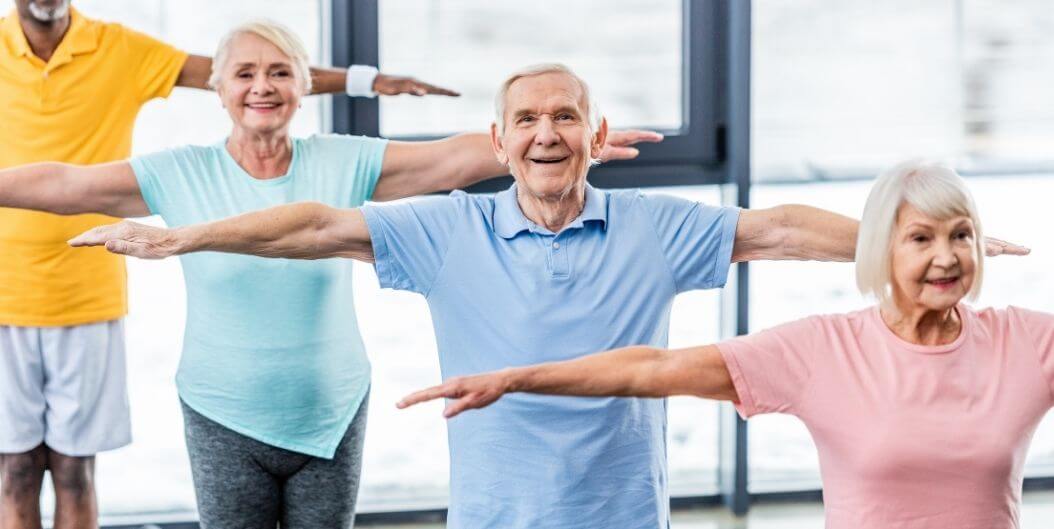
What are the Benefits of Offering Balance Classes for Senior Living?
Balance classes are becoming increasingly popular in senior living communities, and with good reason. They can improve your daily life, regardless of your fitness level or the type of care you require. Balance training teaches you essential skills that will make you safer, more confident, and improve your overall quality of life, whether you live alone, need assistance with daily tasks, or participate in memory care programs. Balance classes are clearly beneficial to your physical and mental health, and long-term independence in all types of senior living.
Why Balance Training Becomes Essential With Age
As you age, changes in muscle strength, joint flexibility, vision, and inner ear function make it more challenging to maintain balance. This decline increases the likelihood of falls, which can lead to serious injuries and a loss of confidence in daily activities. Balance is a skill that can be improved at any age through proper exercise and consistent practice. This makes balance classes one of the most effective wellness programs for seniors. Balance training not only keeps you from falling, but it also boosts your overall physical confidence and allows you to fully enjoy your favorite activities while maintaining your independence, which is critical for your quality of life.
What Are the Advantages of Offering Balance Classes in Senior Living?
Significantly Reduces the Risk of Falling at All Levels of Care
The most direct benefit of balance classes is that they significantly reduce your risk of falling, which is critical whether you live alone, receive assistance with daily tasks, or are in a memory care program. In independent living, a better balance allows you to confidently navigate your apartment and the community.
A better balance enables older adults who live in assisted living to complete daily tasks with little or no assistance. Balance training helps keep your body stable, which is beneficial to your safety and mobility, even in memory care. Regularly practicing balance strengthens the neural pathways that control stability, allowing your body to respond more quickly to unexpected movements or obstacles. This faster response time could mean the difference between catching yourself and falling in a hazardous manner.
Increases Your Confidence in Your Daily Activities and Movements
When your balance improves, you naturally feel more confident in your ability to perform daily tasks. People who live alone are more likely to attend community gatherings and social events. People who live in assisted living retirement homes may feel more at ease moving around their apartments and participating in activities with others.
Enhances Muscle Strength and Coordination.
Balance exercises work multiple muscle groups at once, providing a full-body workout that strengthens you. Regular balance practice strengthens your core, leg, and stabilizing muscles throughout your body. This increased strength allows you to stand up straighter, move more freely, and feel less tired during your daily activities. This extra strength allows residents of independent living communities to remain independent. People who live in assisted living may discover that they don’t require as much assistance with specific tasks. Memory care residents often have improved physical function, allowing them to participate in therapy programs and daily activities.
Improves Mental Clarity and Alertness
Balance training is an excellent way to exercise both your mind and your body simultaneously. It helps you stay mentally sharp by requiring you to focus, concentrate, and coordinate. Balance exercises are beneficial for people of all care levels because they strengthen neural connections and may slow cognitive decline.
Many people who live independently report feeling mentally sharper after practicing balance exercises on a regular basis. People who live in assisted living may notice that their memory and problem-solving abilities improve. Memory care residents who have participated in a balance class frequently appear more engaged and awake.
Encourages Social Interaction and Community Engagement
Balance classes allow you to meet new people, which improves your community experience, regardless of how much care you require. People who live independently enjoy meeting neighbors who have similar health goals. Residents of assisted living communities benefit from peer support and shared success.
Moreover, seniors with memory problems frequently enjoy the structured social interaction that balance classes provide. Balance classes are taught in groups, which encourages friendly competition, mutual support, and celebrating progress together. This fosters strong relationships that last beyond the classes themselves.
Improves Your Sleep and Reduces Anxiety
Balance training is a form of exercise that you perform on a regular basis. It can improve your sleep quality and make you feel less anxious. Physical activity and mental focus combine to relieve tension and promote relaxation, which lasts into the evening.
Better sleep improves your health and brain function across all levels of care. People who live independently frequently report that starting to do balance exercises on a regular basis improves their sleep quality. People who live in assisted living care homes may feel less anxious about getting around and doing daily tasks. Memory care residents frequently sleep better and are less agitated after participating in regular balance programs.
Maintains and Improves Posture
Balance exercises naturally improve posture by strengthening your core muscles and increasing awareness of your body. Better posture improves breathing, reduces back pain, and makes you appear more confident, boosting self-esteem at all levels of care. Better posture also contributes to balance in a positive feedback loop: as your alignment improves, balance exercises become easier and more effective over time.
Provides Exercise That Can Be Changed for All Levels of Ability
Balance classes can be tailored to the needs of individuals with varying levels of physical ability and care requirements. This makes them available to people in independent living, assisted living, and memory care homes. People can do the exercises standing, sitting, or with various levels of support, ensuring that everyone can participate safely and benefit from the training. Because it is adaptable, you can continue to do balance training even as your needs change. You will not have to stop the program altogether.
Helps You Achieve Your Long-Term Independence Goals.
Regular balance training allows you to maintain and improve the physical skills required to be independent, regardless of the level of care you are currently receiving. Independent living will enable people to keep their independence for a more extended period of time. People who live in assisted living may not require as much assistance with specific tasks.
Ready to See How Balance Training Can Change Your Life? Learn About the Westmore Senior Living’s All-Inclusive Wellness Programs
By selecting a senior living community that prioritizes your health and offers programs for all levels of care, you are investing in your long-term health and independence. The Westmore Senior Living provides high-end amenities and wellness programs in Independent Living, Assisted Living, and Memory Care that will make you feel better about your body and overall health.
Schedule a tour and learn how their comprehensive approach to senior health can help you stay strong, balanced, and independent while also providing the social benefits of living in a community.